
How Car Keys Work
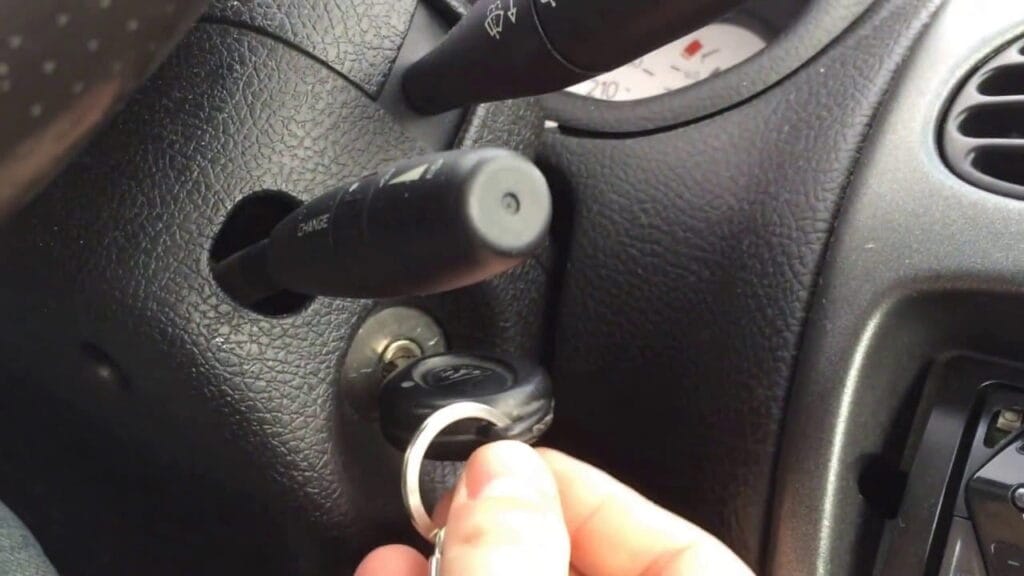
Car keys have changed a lot in 30 years. Knowing which kind you have explains why some keys cost a few dollars to copy and others need programming. Here’s a quick tour, from the oldest to the newest.
1. Mechanical keys
Cut metal that turns the lock and ignition. Common until the late 1990s.
2. Resistor and early systems
Some GM cars used VATS, a resistor in the blade that the car measured before starting. See VATS keys.
3. Transponder (chip) keys
A small chip in the key head talks to the car’s immobilizer. No match, no start. Most cars from the late 1990s on. See transponder vs. regular keys.
4. Remote head and flip keys
The chip, the blade and the lock and unlock buttons in one piece.
5. Laser-cut keys
A thicker blade with a groove cut down the middle, harder to copy. See laser-cut keys.
6. Smart keys
Stay in your pocket. The car detects them for keyless entry and push-to-start. See smart key vs. fob.
7. Digital keys
Phone apps and key cards on some newer cars, usually with a fob as backup.
What it means for you
The newer the key, the more it costs to replace, which makes a spare more valuable. Eric makes every type on site, from classic cut keys to smart keys.
Need help in the Phoenix area?
Call 602-586-5999. Eric comes to you and gives you the price on the phone first. Hours: Sun 9 AM–2 PM, Mon–Thu 7 AM–7 PM, Fri 7 AM–4 PM.
Helpful Questions
What kind of key does my car have?
A thick plastic head means a chip. Push-to-start means a smart key. Your year, make and model tell us exactly.
Why are new car keys so expensive?
They include chips, remotes and programming, not just a cut blade.
Can you make every type of key?
Most types, for most makes, on site.